
Soot comes off. The stone stays.
We clean carved stone, brick, ironwork and old wood with a laser. No water, no chemicals, no sandblasting.
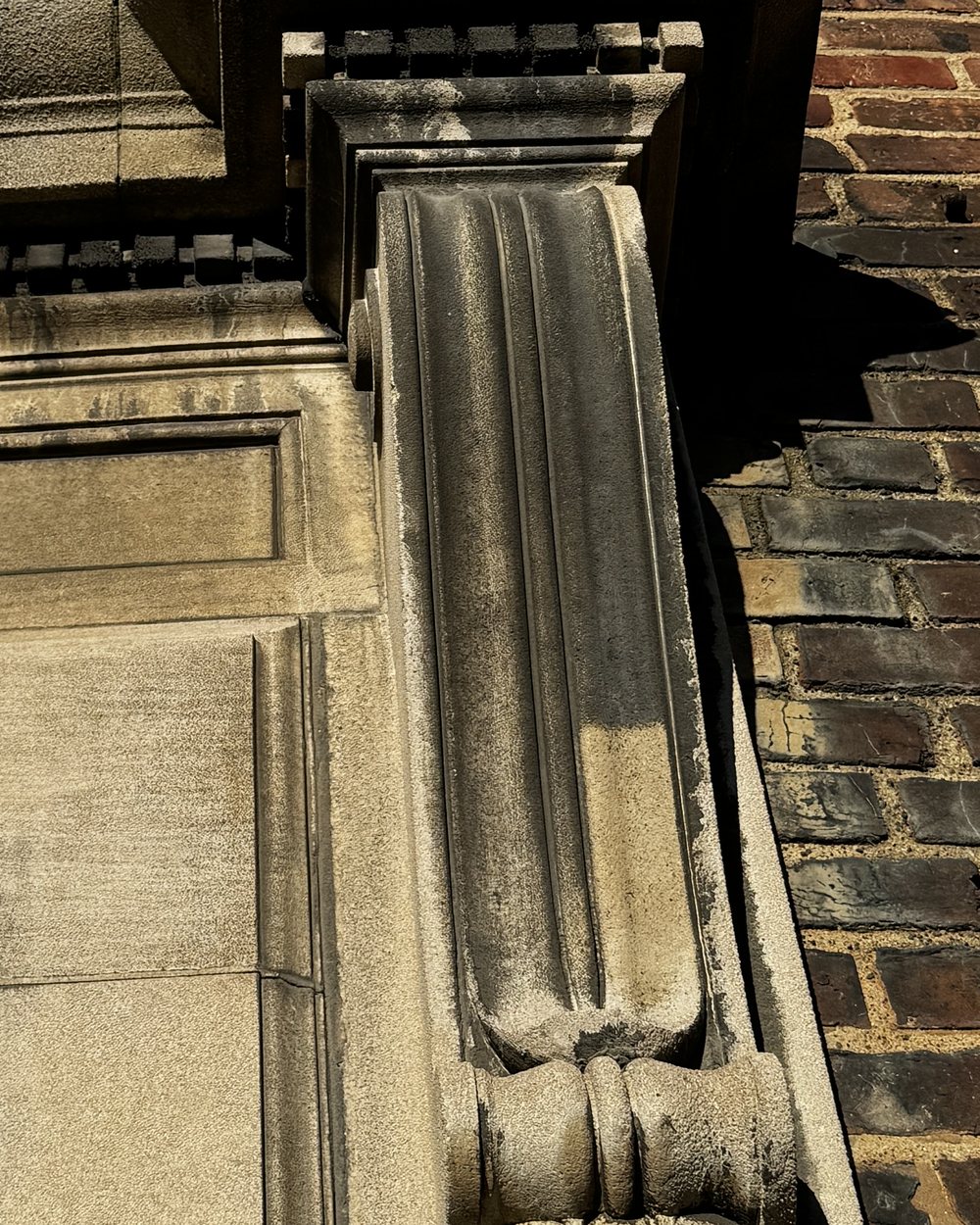
No water.
Nothing soaks into the wall or the joints.
No chemicals.
Nothing to neutralize, rinse off or collect.
No sandblasting.
Nothing abrasive touches stone or brick.
Stone, brick, metal and wood.
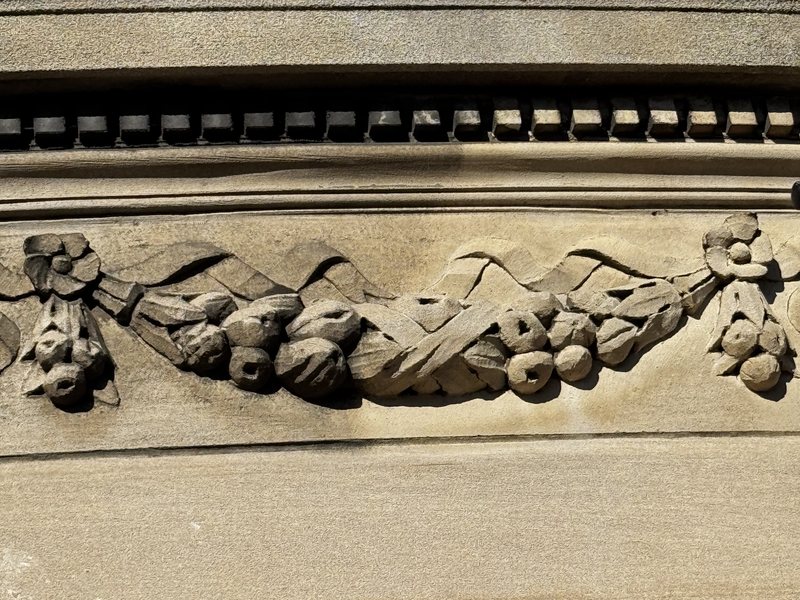
Carved stone
Limestone, marble or terracotta. Soot and black crust come off.
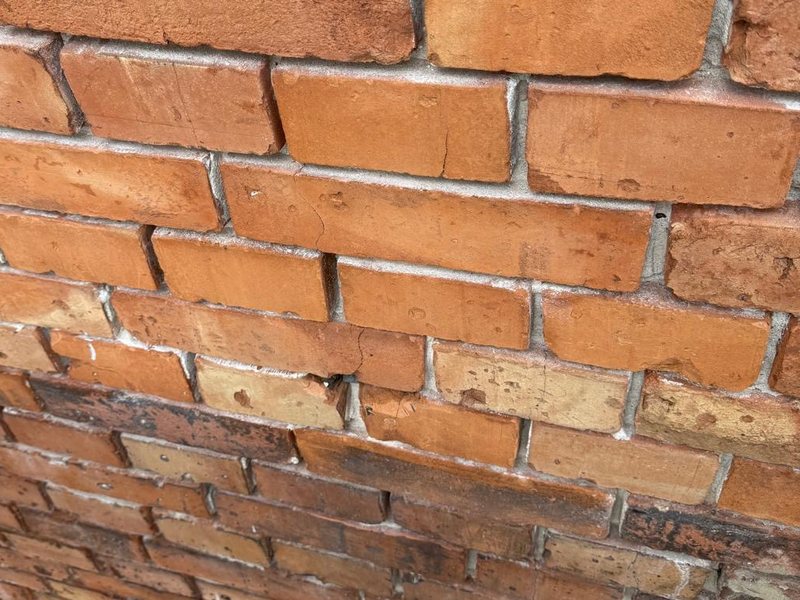
Brick
Old brick, glazed or plain. Soot, grime and paint come off.
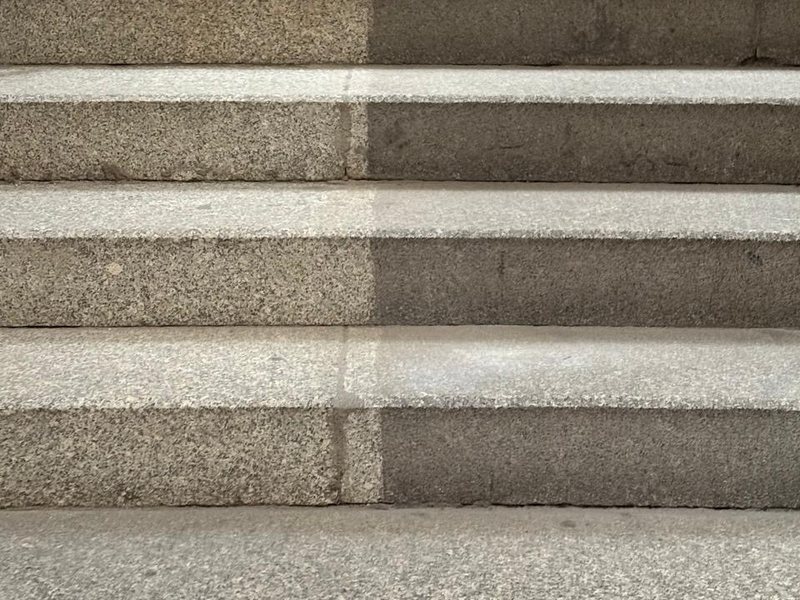
Stone steps
Granite and other hard stone. Years of ground-in dirt come off.
Also cast iron, bronze and old wood: railings, plaques, doors and paneling.
A limestone entrance in New York.
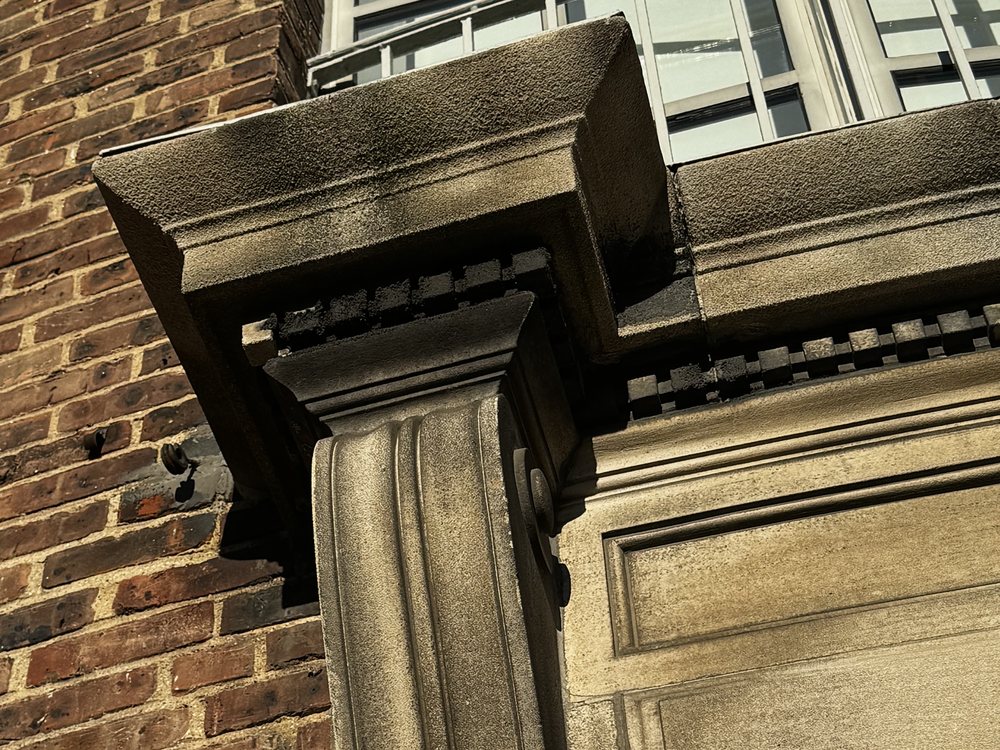
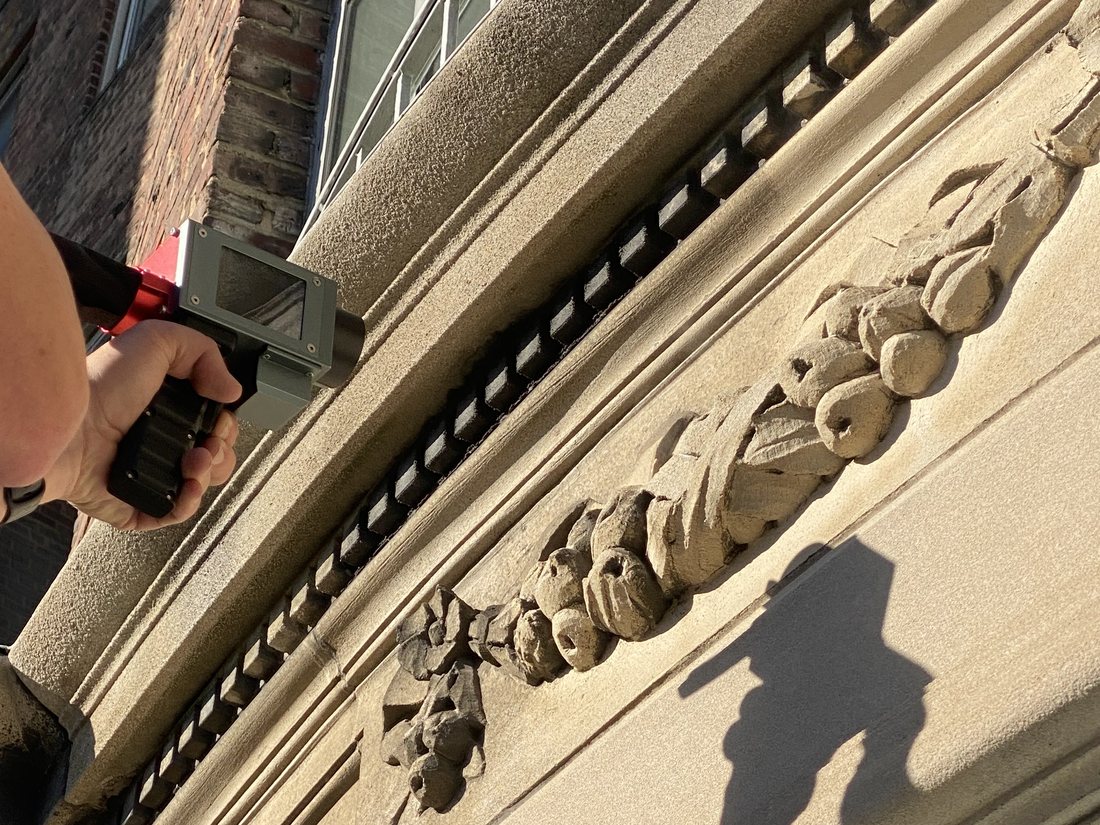
Townhouses, churches and landmarks.
Townhouses
Stoops, doorways and ironwork.
Apartment buildings
Entrances, lobbies and stone bases.
Churches and synagogues
Carved stone, plaques and woodwork.
Museums and schools
Entrances, sculpture and interiors.
Landmark buildings
Bronze doors, cast iron and carving.
Monuments and memorials
Statues, plaques and inscriptions.
Architects, conservators and contractors: we also work as a specialist subcontractor on larger projects.
What people ask before they call.
Will it damage the stone?
No. Soot comes off at far less power than it takes to mark stone, and we set the power on a small area first.
What does it cost?
It depends on the material, the dirt and how we reach it. You get a price in writing before any work starts.
Do you visit first?
Clear photos are usually enough for a proposal. For larger jobs we come and look before we give a price.
How long does it take?
Most entrances and carved details take a day or two. Larger jobs come with a schedule in the proposal.
What about landmarks?
They need approval. New York bans sandblasting on its landmarks and reviews laser cleaning case by case.
Are you insured?
Yes. We carry $5 million in coverage and can provide a certificate of insurance whenever your building asks.
Tell us about your building.
Send photos and a short description. We reply with a written proposal.